
HEALTH · BUYING GUIDE
Blood pressure watches and rings in 2026: what actually works
 By S. Dahani and the RealDigitalTech editorial team
More and more watches and rings claim to track blood pressure. Only models with a real inflatable cuff give a figure you can rely on; optical sensors remain wellness indicators.
Quick Take
Key figures
Three very different technologies
| Type | Examples | How it works | Status |
|---|---|---|---|
| Inflatable cuff in the strap | Huawei Watch D3 (£399.99), Wellue BPW1 ($179) | A small cuff inflates around the wrist, like a home monitor. | The most reliable wearable option. |
| Calibrated optical sensor | Samsung Galaxy Watch 9, Whoop (Life tier, $359/yr), Hilo Band | Estimates pressure from the pulse wave, after calibration with a real cuff (every 28 days on Samsung). | Wellness estimates, not a diagnosis. |
| Hypertension alerts | Apple Watch, Oura Ring 5 | No figure: the device warns when signs suggest high blood pressure. | Apple's alert is FDA-cleared, but it is not a diagnosis. |
What the studies show
- Apple Watch: according to a University of Pennsylvania study, the alert detected 41.2 % of cases of undiagnosed hypertension, with 92.3 % specificity. No alert does not mean normal blood pressure.
- Oura Ring 5: 84 % sensitivity and 69 % specificity in a 134-person validation, not yet peer-reviewed.
- Aktiia / Hilo: under medication, a real cuff measured a systolic drop of about 19.7 mmHg while the band recorded only about 1.0 mmHg.
- Pixel Watch 5: Google is testing an uncalibrated estimate; it is not FDA-cleared.
The regulatory picture
In January 2026, the US FDA updated its guidance on wellness products: a device can estimate blood pressure without medical approval as long as it makes no medical claims. That is why so many new features are presented as "wellness" indicators. Rules differ outside the US, for example with CE medical marking in Europe.
Our advice
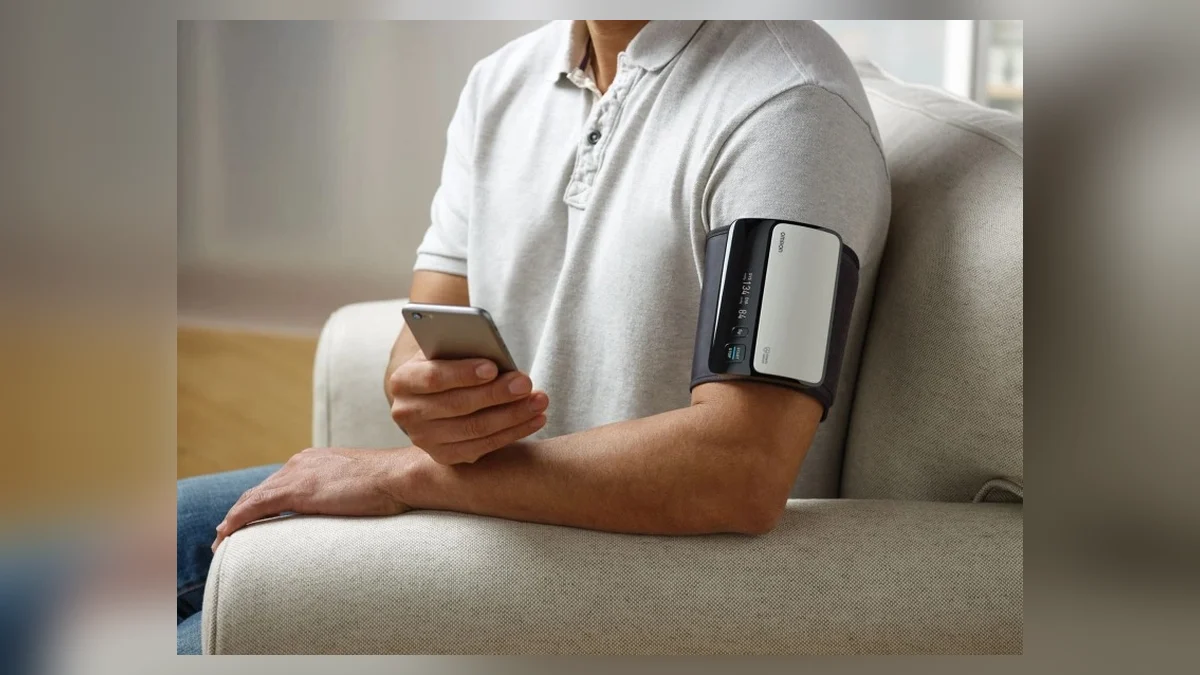
- For a diagnosis or to follow a treatment, use a validated arm cuff monitor, measured at rest and at the same times each day.
- If you want a watch that measures, choose a model with a real inflatable cuff.
- Treat optical figures and alerts as a prompt to check with a real cuff, never as a result.
- Never change a treatment on the basis of a watch or ring. Talk to a doctor or pharmacist.
Verdict
Blood pressure tracking on the wrist is progressing, but only watches with an inflatable cuff come close to a home monitor today. Optical sensors are useful for spotting trends and prompting a check-up, not for managing hypertension.
This article analyses information published by another outlet, in our own words. It is not medical advice. RealDigitalTech did not test these devices itself.
Sources
How this article was made: our editorial team selected and read the reviews listed above, compared their results and wrote this synthesis, with AI tools assisting the research and drafting. Every figure was checked against the sources, and the article was approved by the publication director. Our AI Disclosure · Our methodology · Report an error: editorial@realdigitaltech.com