
HOME · BUYING GUIDE
Smart smoke, carbon monoxide and gas detectors: what to buy now that Nest Protect is gone
 By S. Dahani and the RealDigitalTech editorial team
Google has discontinued the Nest Protect and First Alert's SC5 is its official successor. Here are the recommended models, the safety standards to look for and the limits of a connected alarm.
Quick Take
Key figures
Why this matters now
Google has stopped making the Nest Protect, long the best-known smart smoke alarm. First Alert, which now makes the SC5 under the Google Home banner, presents it as the official replacement. If you own a Nest Protect, it keeps working until its end of life, but plan the switch: all smoke alarms must be replaced after a set number of years.
Recommended models
| Model | Price | Detects | Connection | In one line |
|---|---|---|---|---|
| First Alert SC5 | $128–150 | Smoke, CO | Wi-Fi, Google Home only | Best overall; meets UL 217 9th edition; no Matter support. |
| First Alert Z-Wave Plus | $57.99 | Smoke, CO | Z-Wave, works with Ring | Affordable; certified to UL 217 and UL 2034; needs a hub. |
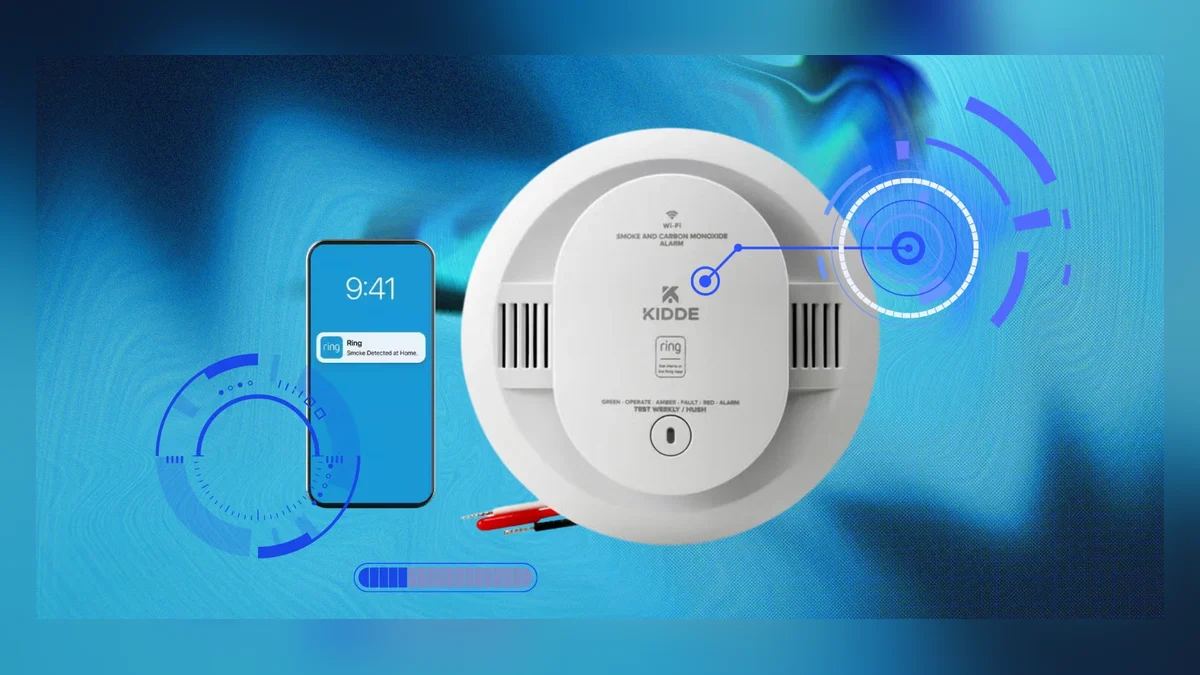
| Kidde smart hardwired | varies | Smoke, CO (by model) | Wi-Fi | Voice alerts that say where the danger is; up to 24 linked units. |
Safety standards to look for
- Smoke: UL 217 in North America, EN 14604 in Europe.
- Carbon monoxide: UL 2034 in North America, EN 50291 in Europe.
- Natural gas or LPG: a separate gas detector certified to UL 1484 or EN 50194. Smoke and CO alarms do not detect a gas leak.
- Installation: follow the manufacturer's placement rules (bedrooms, hallways, each floor) and local building regulations.
Limits of a connected detector
- A phone alert only helps if the phone is on, connected and nearby: the loud local siren remains the essential part.
- Wi-Fi outages or app changes can interrupt notifications; test the alarm every month.
- A detector does not replace yearly servicing of boilers, heaters and gas appliances by a qualified professional.
Verdict
To replace a Nest Protect, the First Alert SC5 is the simplest choice, provided you use Google Home. With a Ring system, the First Alert Z-Wave Plus is much cheaper. If you have gas appliances, add a certified gas detector. In an emergency, leave the building and call the emergency services.
This article analyses a buying guide published by another outlet, in our own words. RealDigitalTech did not test these detectors itself.
Sources
How this article was made: our editorial team selected and read the reviews listed above, compared their results and wrote this synthesis, with AI tools assisting the research and drafting. Every figure was checked against the sources, and the article was approved by the publication director. Our AI Disclosure · Our methodology · Report an error: editorial@realdigitaltech.com