
COMPUTING · VERIFIED UPDATE
RTX Spark brings local AI agents to Windows PCs
 By S. Dahani · Founder & Publication Director
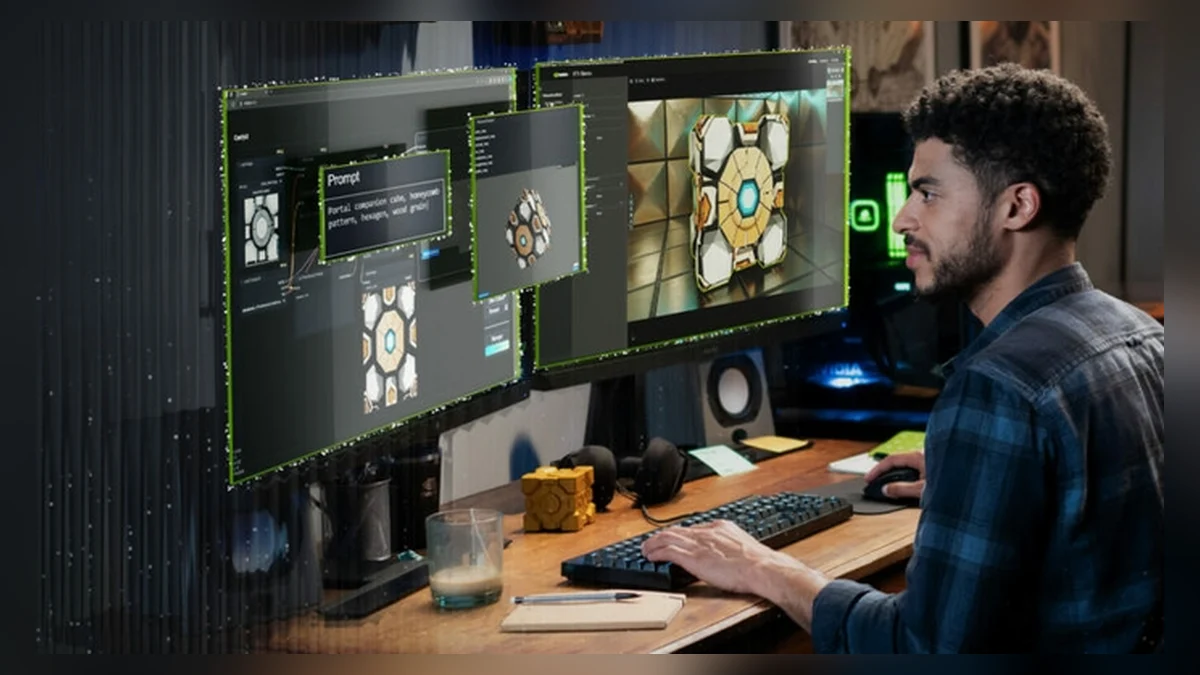
NVIDIA’s RTX Spark initiative aims to make personal AI agents and creative models practical on Windows hardware without sending every task to a remote service.
Quick Take
Why local AI matters
Running an appropriate model on the computer can reduce network delay and keep some working data on the device. It can also make tools available when connectivity is limited, although downloads, updates and some services may still require the internet.
Hardware balance is essential
Graphics capability is only one part of the system. Memory capacity, storage speed, cooling, battery life and software support determine whether a laptop or desktop can sustain an AI workload comfortably.
Agents need boundaries
An agent that can open files or operate applications should provide permissions, previews and a clear activity history. Sensitive actions should require confirmation, and important output should remain verifiable by the user.
Who should consider it
Creators, developers and researchers with repeatable local workloads may benefit first. For ordinary browsing and office tasks, a well-balanced conventional computer may still offer better value than paying mainly for an AI label.
Sources
Start with the use case, not the specification sheet
Before comparing models, write down the two or three jobs the product must do well. That simple step prevents an impressive specification from becoming the reason to buy something that does not fit daily use. For RTX Spark brings local AI agents to Windows PCs, the useful comparison is the one tied to your own environment, frequency of use and existing devices. Separate essential requirements from conveniences, then decide which compromises you can accept. This also makes price comparisons fairer because you are comparing products that solve the same problem.
Compare measurable criteria on equal terms
Marketing pages often highlight the strongest number and hide the conditions behind it. Compare the same capacity, version, region, warranty and included accessories. When a claim depends on a particular mode, test condition or subscription, record that condition beside the number. For RTX Spark brings local AI agents to Windows PCs, a short table with three candidates is usually more useful than opening many tabs: list the criteria that affect daily experience, mark unknown information, and treat missing specifications as something to verify rather than something to guess.
Check compatibility and the full ownership cost
The purchase price is only the first line of the budget. Include required accessories, subscriptions, replacement parts, electricity or charging where relevant, repairability and the likely support period. Compatibility can create hidden costs too: connectors, operating systems, account requirements and regional versions may determine whether a feature actually works. A product that costs slightly more at checkout can be the better value when it avoids adapters, recurring fees or an early replacement.
Treat privacy, security and updates as product features
Connected products should be judged by the information they collect as well as by what they can do. Review account requirements, permissions, cloud dependence, update policy and the process for deleting data. Prefer the minimum permissions needed for the feature you use. If the manufacturer does not clearly explain support or security updates, include that uncertainty in the buying decision. Long-term software support matters because a device can remain physically functional after its online services or security maintenance have changed.
Use independent evidence and verify important claims
A strong decision combines manufacturer documentation with independent testing and recent owner experience. Manufacturer pages are best for official specifications and support policies; independent tests can reveal performance under repeatable conditions; owner reports can expose recurring practical problems. Do not let one review decide the purchase. Look for agreement across several sources, pay attention to the exact model and software version, and give more weight to evidence that explains how a result was measured.
Make the final decision with a short checklist
Before paying, confirm the exact model, seller, return window, warranty, delivery terms and total price. Save the product page or order confirmation for expensive purchases. If two options remain close, choose according to the factor you will notice every day rather than the feature that looks best in an advertisement. A good purchase should still make sense after the urgency of a promotion disappears. If an essential point remains unclear, waiting for a verifiable answer is a valid decision.